
Category: Equity, Diversity and Inclusion

Communication
seng_derek

This is How Boys are Tough

Mark Hess argues gifted boys often experience intense empathy and sensitivity that, when guided, can develop into meaningful leadership. Using classroom examples, he suggests social-emotional lessons delivered in boy-friendly ways help boys belong, practice compassion, and redefine toughness as emotional courage and kindness.

Read More »
Equity, Diversity and Inclusion
Terry Friedrichs, Ph.D., Ed.D.

Pride, Pomp and Circumstance: The Symbolic Emotional Support within Rite of Passage

This post explores how graduation rituals—traditional “pomp and circumstance” and culturally specific ceremonies like Lavender and Sankofa—serve as rites of passage. Such ceremonies, including Kente stoles and family participation, affirm cultural heritage, foster belonging, and provide emotional and symbolic support for graduates, especially marginalized students.

Read More »
Equity, Diversity and Inclusion
Kella Hanna-Wayne

Gifted and Disabled

A gifted adult describes living with Ehlers‑Danlos Syndrome and chronic pain, explaining symptom tracking, self‑treatment strategies, cognitive impacts of pain, anxiety about long‑term injury, difficulties convincing dismissive doctors, and the importance of using giftedness to advocate for people with disabilities.

Read More »
Equity, Diversity and Inclusion
Nicole A. Tetreault, PhD

Brain fingerprints

This post argues that neurodiversity is normal and humans cannot be boxed; brains are uniquely individual. Recent neuroscience mapping identified 180 cortical areas, revealing individual ‘brain fingerprints’ that highlight brain individuality and advance understanding of functional brain differences across populations.

Read More »
Equity, Diversity and Inclusion
Gilman Whiting

Strength in America: A Message to the SENG Community

The author reflects on the 2016 election’s impact, describing anxiety among gifted students and the broader resilience of American communities. He urges parents and educators to guide children through political outcomes, explain the electoral process, encourage civic engagement, and teach respectful dialogue across differences.

Read More »
Equity, Diversity and Inclusion
Terry Friedrichs, Ph.D., Ed.D.

Helping Gifted Sexual-Minority Youth Deal with Public Anti-LGBT Traumas

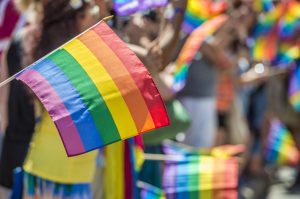
This post advises adults supporting gifted sexual- and gender-minority youth after public anti-LGBT traumas: encourage emotional expression, recognize dual individual and group trauma, offer LGBT-specific information and positive activities, and channel youth compassion into supportive action such as alliances, advocacy, and community engagement.

Read More »
Equity, Diversity and Inclusion
Abha Bhagwat

Indian view on creativity and sensitivity

The post argues that India’s schooling narrows creativity and sensitivity by privileging grades over expression. Through wall-painting workshops, children freely experiment, revealing original ideas and confidence. The author advocates respecting children’s choices and reforming evaluation to value diverse sensitivities and creative processes.

Read More »
Equity, Diversity and Inclusion
Tiombe Bisa Kendrick-Dunn

Navigating society can be an ongoing challenge for the culturally diverse

Gifted and talented children from culturally and linguistically diverse backgrounds often face limited guidance, unequal educational opportunities, discrimination and lowered expectations. These challenges hinder social and emotional development, persist into adulthood, and undermine professional advancement. Society must acknowledge and support CLD gifted individuals to prevent ongoing disenfranchisement.

Read More »
Equity, Diversity and Inclusion
Kate Bachtel

Inclusive Communities say “No”

Kate Bachtel argues that inclusive communities proactively prevent bullying by addressing behavior, not labeling people. She outlines clear definitions, workplace parallels, and five measures—communication protocols, investigations, protection from retaliation, bias education, and celebrating upstanders—while noting social media’s dual power to connect and harm.

Read More »