
Category: Miscellaneous

Miscellaneous
Joy Navan

The Importance of Imaginative Play

This post explains how imaginative play supports children’s development—promoting creativity, problem solving, social skills and self-regulation. It outlines play phases across ages, cites research on attention, and urges parents and schools to preserve unstructured playtime rather than overemphasizing structured lessons, toys, or screen time.

Read More »
Miscellaneous
Sheri Plybon

Finding Passion, Living Passion

This post explores the importance of passion, how early interests can grow into careers or innovations, and how passion fuels learning, creativity, and philanthropy. It offers steps to identify, pursue, and sustain passion, plus resources and examples like Dan Barber and Casey Golden.

Read More »
Miscellaneous
Joy Navan

Touching the Mystery: Spiritually Gifted Children

This article explores spirituality in gifted children, outlining four expressions—quest, journey, interconnectedness, and transcendence—through case examples. It discusses characteristics such as sensitivity and abstract questioning and offers guidance for parents and educators to support spiritually gifted children’s emotional development and understanding.

Read More »
Miscellaneous
Joy Navan

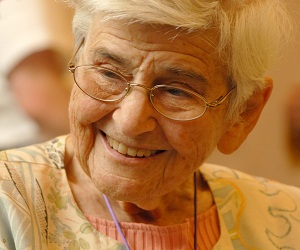
In Tribute: Annemarie Roeper (1918-2012)

Tribute to Annemarie Roeper highlighting her founding of The Roeper School and Roeper Review, her development of the Qualitative Assessment Method, extensive publications, immigration from Nazi Germany, and lasting influence. The author recalls Annemarie’s humor, dedication to children’s whole development, and enduring legacy.

Read More »
Education & Homeschooling
Will Fitzhugh

Writing Tips for the Gifted Student

Will Fitzhugh argues that to motivate gifted students to write substantial research papers, teachers should show exemplary student work and cultivate content knowledge rather than focusing first on writing mechanics. He discusses Lombroso, Darwin, Keynes examples and stresses letting students choose topics and think deeply.

Read More »
Miscellaneous
seng_derek

Fostering Giftedness, Literally

An educator describes fostering a gifted child and discovering how the foster-care system often misunderstands highly capable youth. Placements fail as behaviors are misinterpreted. She urges fostering, respite care, and advocacy to support invisible gifted children and recounts successfully adopting the boy into a family that understands him.

Read More »
Equity, Diversity and Inclusion
Rose Blackett

To Be Gifted and Māori…

Rose Blackett outlines Māori perspectives on giftedness, drawing on Bevan-Brown (2011). She lists eight cultural components and recommends culturally appropriate identification, family partnerships, and educator training. Blackett urges inclusive gifted programmes that value diverse cultural strengths and promote gifted learners’ development and service to others.

Read More »
Miscellaneous
Marianne Kuzujanakis, MD, MPH

Where Does a Pediatric Doctor Fit in the Care of Gifted Children?

Pediatricians can play a vital role supporting gifted children by recognizing how giftedness affects development and health, reducing misdiagnoses, and guiding families. Parents can foster better doctor partnerships by preparing concerns, sharing resources, requesting informational materials, and slowly building community supports.

Read More »
Adult Giftedness
Annemarie Roper

Growing Old Gifted

Annemarie Roeper reflects on aging for gifted individuals, describing old age as a period of cumulative loss, diminishing future possibilities, and confronting mystery. She urges honest acceptance, mental preservation, and recognition of elders’ wisdom and societal roles, calling for respect and greater inclusion of elder perspectives.

Read More »