
Category: Social & Emotional Development

Social & Emotional Development
Gregory K. Eckert and Keri M. Guilbault

Recognizing Social and Emotional Traits of Young Gifted Children

This article describes social and emotional traits of young gifted children, highlighting emotional and intellectual overexcitabilities. Through case examples, it explains how intensities and asynchronous development can cause challenges and offers strategies—acknowledging feelings, teaching coping skills, and supporting curiosity—to help children thrive at home and school.

Read More »
Education & Homeschooling
Mrs. Brianne Hudak, M. Ed.

Combating Underachievement in Gifted Students Through Social-Emotional Training and Development

Gifted students may underperform despite high ability due to boredom, low self-esteem, or lack of support. Early identification and social-emotional interventions—trusting relationships, mentorship, empowerment, equitable programming, and bias removal—can restore engagement, resilience, and academic success for gifted learners and improve long-term wellbeing.

Read More »
Equity, Diversity and Inclusion
The SENG Team.

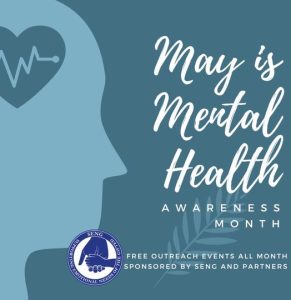
May Mental Health Awareness Month Wrap-Up

SENG’s May 2023 Mental Health Month featured 18 free virtual and in-person outreach events with partners. Highlights included mindfulness workshops, an international panel, student-produced media, webinars, podcasts, regional meetups, and several articles and resources addressing mental health for gifted and 2e learners.

Read More »
Adult Giftedness
Kristy Peloquin

Searching for Sacred

The author reflects on living as a gifted person, describing its grace and restless quest for sacred moments. Giftedness brings creative highs, impatience with the banal, and risky pursuits. Acceptance of this identity offers solace, purpose, and a framework to tolerate not-fitting-inness while seeking meaningful experiences.

Read More »
Over-excitabilities
Katerina Tsomi, M.A., M.Sc.

Play in the Service of Growth: The Sailboat Metaphor

The author, a play therapist, describes using Kaufman’s sailboat metaphor as a StoryCraft with her children to explore safety and growth needs. Through building, painting and play, the activity revealed symbolic meanings, supported emotional embodiment and projection stages, and facilitated connection, exploration and therapeutic growth.

Read More »
Communication
Dr. Nicole Tetreault

Compassionate Communication; how do we practice?

The post argues compassion underpins effective communication and empathy, explaining mirror neurons’ role in social connection. It lists five practices—mindful listening, openness, self-focused phrasing, patience, and a 24-hour pause—to enhance empathetic communication and resolve conflicts peacefully.

Read More »
Miscellaneous
Mark Talaga

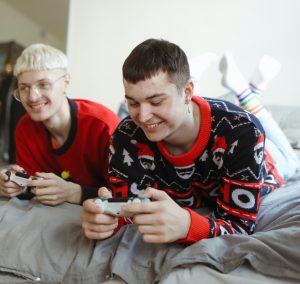
Developing False Mastery: The Siren Song of Video Games

Excessive gaming by gifted children often signals unmet academic, social, or emotional needs rather than addiction. Games offer clear feedback and mastery, so kids turn to them. Identifying underlying challenges lets adults foster growth, reduce reliance on games, set boundaries, and seek professional help when needed.

Read More »
Social & Emotional Development
Brandi Maynard

Fail Fast Gifted Children: Parenting for Resilience

This article explains using a ‘fail fast’ approach to help gifted children build resilience. It recommends encouraging experimentation, setting realistic goals, reflecting on mistakes, and providing supportive adults. Allowing low-stakes failures helps children take risks, learn from setbacks, and develop coping strategies for future challenges.

Read More »
Adult Giftedness
Deborah L. Ruf

Gifted Baby Boomers, How They Were Raised, and How They Raised You

This article, drawn from a doctoral dissertation, examines Baby Boomers’ upbringing and how generational attitudes shaped gifted adults’ mental health, counseling uptake, and incidence of abuse. Using case studies, it discusses parental responses, counseling patterns, and implications for understanding gifted individuals across generations.

Read More »