
Category: Social & Emotional Development

Adult Giftedness
Jennifer Harvey Sallin

Gifted Adults & Second Childhoods: Revisiting Essential Stages of Development – Part 2

This article examines how Eriksonian psychosocial stages show up across the gifted lifespan—childhood through elder years—highlighting challenges like mistrust, shame, identity confusion, intimacy issues, and the need for generativity, and it recommends gifted-specific therapeutic, educational and community supports to facilitate healing and growth.

Read More »
Social & Emotional Development
Deborah Gennarelli

Twice Exceptional Boys: A Roadmap to Getting it Right

This article explains challenges faced by twice-exceptional boys whose giftedness and learning difficulties are often misunderstood. It reviews disparities in discipline, risks of misdiagnosis, and the need for strength-based, individualized educational planning. With proper identification and supports, 2e boys can overcome barriers and achieve academic success.

Read More »
Miscellaneous
Andrea Brucella Finnegan, M.S. Ed.

2022 SENG Annual Conference Notes

Notes from the 2022 SENG Annual Online Conference summarize key sessions on wellbeing, mentorship, mindfulness, social-emotional learning, diversity in gifted education, deep learning, and anxiety in gifted adults. Speakers and panels highlighted purpose, mentorship, inclusive practices, and strategies to support gifted and twice-exceptional learners and their communities.

Read More »
Communication
Lin Lim, Ph.D.

Zooming Out to Zoom In

The author describes how virtual parent support groups expanded access for families of complex outliers (twice-exceptional and profoundly gifted), reducing isolation and enabling cross‑timezone participation, shared resources, and flexible involvement. She invites parents to join or train as SENG SMPG facilitators to build wider supportive communities.

Read More »
Communication
Lin Lim, Ph.D.

Where the Wheels Hit the Road: Reflections on Strength-based Parenting

During a road trip while recovering from shoulder injuries, a mother observed her twice-exceptional son’s strengths as he navigated trails and supported her. The essay argues that strengths are context-driven, recommends strength-based parenting, and cites neuroscience evidence of brain plasticity to support nurturing children’s strengths.

Read More »
Social & Emotional Development
Deb Douglas

The Superpower of Self-Advocacy

Encourage children to develop self-advocacy to communicate needs, set goals, and seek support in school. Help them learn about their giftedness, match educational options to their learner profile, create achievable goals, collaborate with school advocates, and celebrate progress while increasing responsibility.

Read More »
Education & Homeschooling
Teresa Brown

Organization, Accountability, and the Gifted Child

Gifted children often carry heavy cognitive loads and need ongoing support with organization and executive functioning. Teachers and parents must collaboratively teach and model routines, planners, and tracking systems, reinforce them at home and school, and maintain accountability so students develop lasting skills for academic and life success.

Read More »
Education & Homeschooling
Vanessa Ewing, Gail Stine, and Stacey Pendleton.

Supporting the Well-Being of Gifted Learners

Gifted learners need emotional health and supportive environments to thrive. Adults should provide choice, mentorship, social connection, and strategies for anxiety and perfectionism. Schools can use clubs, communication, collaboration, low-stakes projects, and daily reflection to build resilience and support gifted students’ well-being.

Read More »
Miscellaneous
Neve Spicer

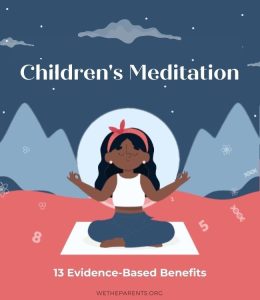
Meditation: A Valuable Coping Tool For 2E Children

Meditation can help twice-exceptional (2E) children manage stress, anxiety and emotional regulation. Research links meditation to improved self-esteem, reduced school-related stress, better coping skills, and symptom improvements in ADHD. World Meditation Day highlights these benefits and promotes meditation education for children and adults.

Read More »