


Antidepressants, Antipsychotics, Mood Stabilizers and Other Psychiatric Medications: When Gifted Individuals Need to Make Choices: Issues, Conflicts and Resolutions (Part 1)
Note: this is Part 1 of a 2-part article When Gifted Individuals Need to Make Choices: Issues, Conflicts, and Resolutions Gifted individuals often have problems managing their family’s and friends’ reactions to their giftedness, finding a school that promotes their development, establishing relationships in which to share it, and creating


Supporting Twice-Exceptional Students with ADHD: A Strength-Based Lens
Supporting twice-exceptional students, those who are both gifted and have ADHD, requires a fundamental shift in how we define ability, success, and development. As both an educator and a parent, I’ve learned that the most important work is not diagnosing or labeling, but learning how to see these students clearly
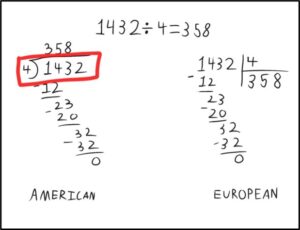

How Long Division Changed the Course of My Life
Once I learned about giftedness and twice-exceptionality after my children received their diagnoses, I began recognizing attributes of both in myself and other family members. Coming from a culturally diverse background, it’s fair to say that challenges related to neurological and cultural differences have affected at least three generations of


Legal Tools for Supporting the Emotional Needs of Gifted Students
SENG Community Groups (SCGs) help parents to understand and meet the emotional needs of their children, supporting stronger communication and connections at home. In some cases, however, a school environment may also need adjustment. When school contributes to a child’s emotional challenges, parents may wonder whether their school is doing
You Missed the Opening Chapters—But the Story Isn’t Over
If you were unable to attend the first two seminars in the SENG Signature Mental Health Seminar Series, there is no need to despair. These sessions are designed as an ongoing conversation, and there are many opportunities to join us with a monthly focus on specific topics. I have


The Power of Relationship: Creating Space for Potential to Thrive
“If my mom can’t be there, we both know we can count on Bryan. He’s a big, tall guy with a huge heart. I’m lucky to know him, and I admire him every day.” — Grant, The Eco-Artist This statement was shared with me by the mother of a young

Building Resilience: Helping Kids Overcome Bullying
The author shares her firsthand experiences witnessing bullying against her twice- and thrice-exceptional children in public school—and how shifting to a supportive homeschooling community fostered resilience, empathy, and belonging. Through nature programs, volunteering, art, and shared reading, her family learned to transform difference into strength and authentic self-acceptance.
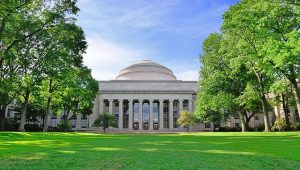

Easing the Affordability to a Custom College-Admissions Journey for Gifted Learners
This post describes an affordable, AI-augmented college-admissions counseling service designed for gifted students and SENG families. It outlines accessible, year-round guidance replacing costly private coaches, six focus areas (academics, extracurriculars, honors, financial aid, college lists, applications), and an invitation to try discounted support.


Navigating the Diverse Paths of Twice-Exceptional Autistic Teenagers
Author reflects on supporting twice-exceptional autistic teenagers, emphasizing asynchronous development, individualized timelines, and centering students’ goals. She advocates collaborative planning, fostering self-advocacy, and flexible transitions—such as community college pathways—to build independence while honoring each student’s aspirations.


Overexcitability and the Gifted
Dabrowski’s concept of overexcitabilities describes heightened intensities—psychomotor, sensual, intellectual, imaginational, and emotional—often found in gifted individuals. The article outlines each OE, their behaviors and practical strategies to support overexcitable people, emphasizing acceptance, communication skills, stress management, and fostering personal growth.